

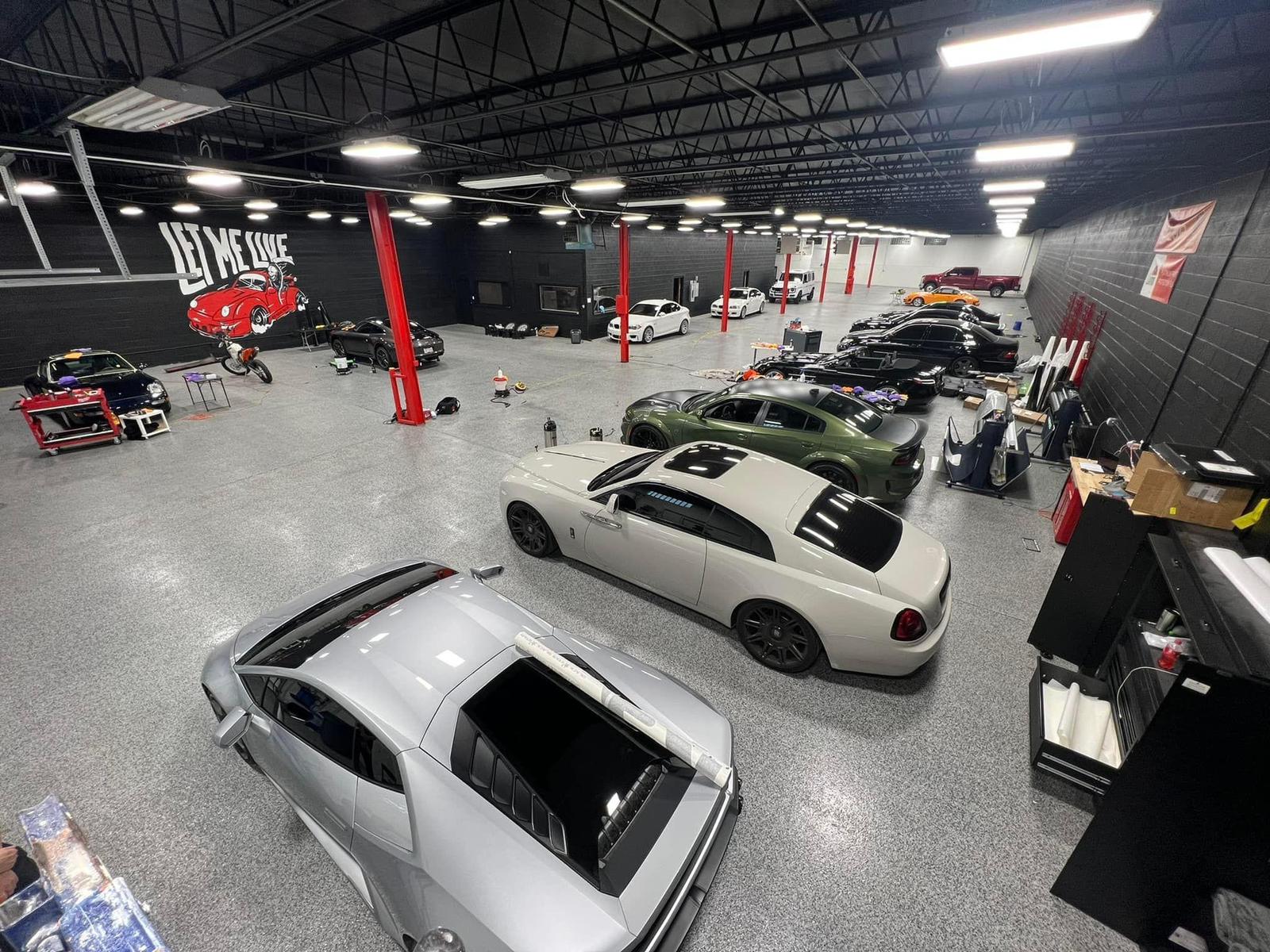
Commercial and industrial spaces need flooring that can handle demanding daily conditions while remaining practical to maintain. Kitchens, warehouses, production areas, workshops, and other working environments can experience heavy traffic, moisture, equipment movement, spills, and frequent cleaning. Choosing the right flooring system therefore requires more than selecting an attractive finish. The building’s purpose, existing concrete, operating conditions, and maintenance routine should all be considered before installation begins.
Planning Commercial Kitchen Flooring Cincinnati
Commercial kitchen flooring Cincinnati needs to suit the demanding conditions found in busy food-service environments. Kitchen floors may encounter water, grease, food ingredients, cleaning chemicals, and constant foot traffic throughout the day.
Areas around sinks, cooking equipment, preparation stations, and refrigeration units can experience especially frequent moisture and spills. The selected flooring system should therefore be appropriate for those conditions and provide a practical surface for routine cleaning.
Drainage should also be considered during planning. A suitable flooring system cannot compensate for poor drainage, so the existing layout should be assessed before installation begins.
Evaluate Industrial Flooring Cincinnati
Industrial flooring Cincinnati applications can vary significantly depending on the type of facility. A warehouse may need to accommodate forklifts and pallet movement, while a manufacturing facility could experience equipment vibration, chemical exposure, heavy loads, or constant employee traffic.
Because industrial environments are so different, there is no universal flooring system for every facility. The material should be selected according to the actual operating conditions.
Consider how much weight the surface will support, how frequently equipment crosses it, and whether spills or chemicals are part of normal operations. These details can help determine which flooring system deserves closer consideration.
Inspect the Existing Concrete
The existing concrete is an important part of any coating project. Cracks, stains, damaged sections, old coatings, and uneven areas can affect the preparation process and final result.
In commercial kitchens, grease and cleaning residue can create preparation challenges. Industrial facilities may have years of traffic, equipment movement, and chemical exposure that have affected the slab.
A professional assessment should identify these conditions before installation begins. Depending on the situation, the surface may require mechanical preparation, repairs, cleaning, or moisture evaluation.
Understanding the condition of the concrete can also provide a more realistic picture of the project’s requirements.
Consider Moisture Exposure
Moisture is a common concern in both commercial kitchens and industrial facilities. Kitchens may experience frequent washing, spills, steam, and wet cleaning procedures. Industrial buildings may encounter water from cleaning, outdoor traffic, condensation, or other operational activities.
Before selecting a coating, discuss the moisture conditions with the flooring professional. The contractor can determine whether testing or additional preparation is appropriate.
Moisture management should be considered before installation rather than after problems appear. A flooring system should match the environment where it will be installed.
Think About Traffic and Equipment
The amount and type of traffic can influence flooring decisions. Employees walking throughout a facility create different demands from forklifts, carts, vehicles, or heavy machinery.
Map out the areas receiving the greatest traffic and identify locations where equipment frequently turns, stops, or carries heavy loads. These high-use sections may require particular attention during material selection and preparation.
It is also useful to consider future changes. If the facility may introduce heavier equipment or change its workflow, discuss those possibilities before selecting a flooring system.
Compare Suitable Coating Systems
Different coating materials can provide different characteristics. Epoxy, polyaspartic, urethane cement, and other systems may be suitable for specific applications depending on environmental conditions.
Rather than choosing based on a product name alone, ask how each option performs in the intended space. Discuss curing requirements, surface preparation, expected traffic, moisture, cleaning practices, and maintenance.
A professional flooring contractor can help narrow the choices based on the facility’s actual requirements instead of recommending the same system for every project.
Plan for Cleaning and Maintenance
A commercial or industrial floor should support the facility’s regular cleaning routine. Kitchens may require frequent cleaning throughout the day, while warehouses and production facilities may have scheduled maintenance procedures.
Ask which cleaning products and methods are recommended for the selected surface. Some aggressive chemicals or unsuitable equipment may affect certain finishes over time.
A maintenance plan should also include periodic inspections. High-traffic areas, expansion joints, edges, and locations around equipment can be checked regularly for signs of wear.
Consider Safety and Workflow
Flooring decisions should also account for how employees move through the building. Wet areas, busy walkways, equipment routes, and transition zones may require particular attention.
The surface finish should provide appropriate traction for the working environment without creating unnecessary cleaning difficulties. Drainage, lighting, floor markings, and general housekeeping can also influence workplace conditions.
A flooring project should fit the facility’s workflow rather than interrupting it unnecessarily. Discuss installation scheduling with the contractor so the work can be planned around operating requirements.
Conclusion
The contractor’s experience matters when flooring is being installed in demanding commercial or industrial environments. Ask about previous projects involving similar conditions and request information about preparation methods, installation procedures, and maintenance expectations. A clear consultation should explain what the existing floor requires and why a particular coating system has been recommended. This allows property owners and facility managers to compare options based on practical requirements rather than appearance alone.
Commercial and industrial flooring is a long-term investment in the working environment. By assessing the concrete, traffic, moisture, cleaning procedures, equipment, and future needs, property owners can make a more informed decision. If you are planning a flooring project in the area, kingcustomcoatings.com can be explored to learn more about available coating solutions and discuss options suited to your facility.