

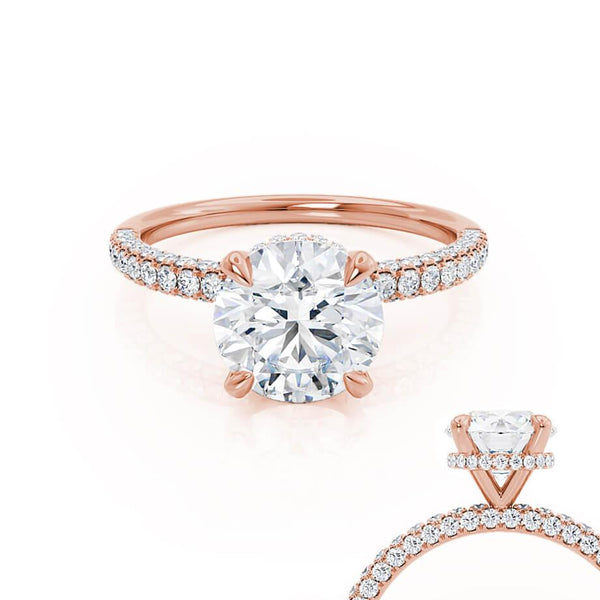
In today’s evolving creative landscape, artists, designers, and storytellers continue to explore fresh interpretations of familiar traditions, often weaving modern perspectives into long-established motifs. This blending of past and present allows them to retain the depth of classic ideas while shaping something contemporary and meaningful. Brands such as lily arkwright have contributed to this evolution within their respective fields, demonstrating how timeless elements can still resonate when approached with renewed imagination.
Classic elements have long served as a foundation for creative expression. Whether it is architecture rooted in historical forms, fashion inspired by vintage silhouettes, or literature guided by traditional narrative structures, the past offers a rich archive of inspiration. Many creatives deliberately begin with these recognizable forms because they evoke emotion, memory, and cultural resonance. At the same time, the challenge lies in transforming these elements so they feel relevant to modern audiences rather than merely nostalgic or repetitive.
One of the most common strategies for reinterpreting classic ideas is through material experimentation. Designers often revisit traditional shapes but construct them using sustainable or cutting-edge materials. This not only preserves the recognizable aesthetic but also aligns with contemporary values, particularly the emphasis on environmental responsibility. For example, modern jewelry designers may incorporate advanced production technology to reimagine traditional gemstone styles while staying mindful of ethical materials. The end result is a design that honors heritage while meeting the expectations of today’s consumers.
Another approach involves reworking patterns, symbols, or motifs that hold cultural or historical significance. When creatives reinterpret familiar imagery, they often shift the context to reflect current themes or social conversations. A motif once used purely for decorative effect may be transformed into a commentary on identity, community, or change. This approach demonstrates how classic elements can carry new meaning without losing their original cultural essence.

Storytelling also plays a central role in this transformation. Writers, filmmakers, and digital creators frequently revisit traditional plot structures or archetypal characters, using them as a springboard to explore themes that resonate with contemporary life. A familiar storyline becomes a platform for new perspectives, allowing audiences to engage with fresh ideas through a framework they already understand. This balance between familiarity and innovation often gives the work greater emotional impact.
In visual arts, reinterpretation may take the form of merging classic techniques with modern aesthetics. Artists might incorporate traditional brushwork or composition styles into digital formats, effectively spanning two eras of creativity. This fusion highlights how technology does not erase tradition but can instead amplify its relevance. By using digital tools to expand on historical techniques, creatives open the door to broader experimentation and accessibility.
Even within fields like product design and branding, classic elements are frequently revived in subtle but powerful ways. A logo inspired by vintage typography, a product silhouette echoing mid-century forms, or packaging that references historical craftsmanship can evoke a sense of trust and authenticity. When executed thoughtfully, these nods to the past help create a deeper emotional connection between the audience and the work.
Ultimately, the reinterpretation of classic elements is a dynamic process that allows creativity to stay connected to its roots while continuing to evolve. By blending old and new, today’s creators craft works that honor tradition yet remain forward-looking. This ongoing dialogue between past and present ensures that classic influences never fade—they simply transform into fresh sources of inspiration for generations to come.
