

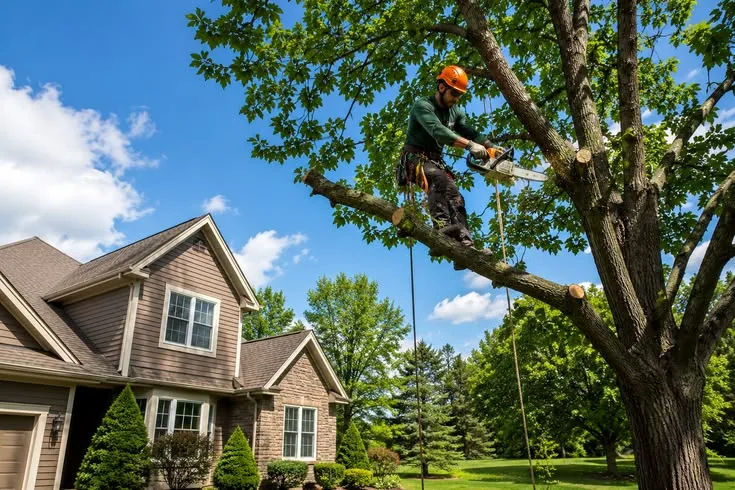
As temperatures rise, homeowners often spend more time preparing their outdoor spaces for summer activities. Patios, gardens, walkways, and shaded seating areas become important parts of everyday life. Trees contribute to this environment, but branches that have grown too close to buildings or developed structural problems may require attention. Property owners considering Tree trimming San Jose, CA should understand that effective pruning involves more than cutting back visible growth. Proper techniques, suitable timing, and awareness of individual tree species all influence the results of seasonal maintenance.
Understanding the Purpose of Pruning
Pruning can improve branch clearance, remove damaged growth, and support desirable tree structure. It may also help manage branches competing for space near buildings or outdoor activity areas.
However, pruning should have a specific objective. Removing branches simply because a tree appears large can produce unnecessary stress and potentially encourage weak regrowth.
An appropriate maintenance plan considers tree health, mature size, species characteristics, and the surrounding environment before selecting particular branches.
Why Summer Preparation Starts With Observation
Many homeowners begin outdoor maintenance by focusing on lawns, irrigation systems, and decorative plants. Established trees may receive less attention because their needs are not always immediately apparent.
Before scheduling pruning, homeowners can observe whether branches interfere with pedestrian movement, rooftops, exterior lighting, or other important features.
Visible deadwood and unusual branch development may also deserve assessment. These observations help professionals identify priorities and recommend an appropriate scope of work.
Avoiding Common Pruning Mistakes
Improper pruning can damage otherwise healthy trees. One common mistake involves removing large portions of the canopy without considering how the tree will respond.
Another problem is leaving poor-quality cuts that interfere with natural wound closure. Cutting branches incorrectly can create opportunities for decay or undesirable growth.
Homeowners should also avoid assuming that all trees benefit from identical seasonal pruning. Some species respond better to particular maintenance periods, especially when disease risks or flowering patterns are involved.
How Pruning Influences Outdoor Comfort
Shade is an important benefit of mature trees, particularly during warm weather. Excessive canopy reduction can increase sunlight exposure around patios, windows, and outdoor seating areas.
Thoughtful pruning aims to preserve useful shade while addressing specific structural or clearance concerns. The goal is usually not to make every tree smaller.
Balancing comfort and maintenance requires considering how the canopy interacts with the property throughout the day. Removing unnecessary foliage may create problems that were not present before the work.
Recognizing When Professional Help Is Necessary
Minor observations can be made safely from the ground. However, working on large branches or trees near structures involves significant risks.
Homeowners exploring Tree service Santa Clara, CA can consider professional assistance when tree work requires climbing, elevated equipment, or specialized assessment.
Qualified workers can evaluate branch attachments, determine appropriate pruning methods, and manage equipment safely. Work near electrical infrastructure requires additional expertise and should never be attempted by unqualified individuals.
A Practical Checklist Before Scheduling Work
Preparing for a tree maintenance visit helps ensure that the work addresses the most important concerns rather than simply producing a different appearance.
Homeowners can take several useful steps:
-
Identify branches affecting access or structures.
-
Observe dead or visibly damaged growth.
-
Note changes following recent storms.
-
Discuss desired shade and privacy with the contractor.
-
Ask whether the species has seasonal pruning restrictions.
-
Confirm cleanup and debris disposal arrangements.
Clear communication allows property owners and tree care professionals to establish realistic expectations before work begins.
Why Every Tree Needs an Individual Approach
A young ornamental tree does not require the same maintenance as a large mature shade tree. Differences in growth rate, branch structure, and surrounding space affect pruning decisions.
Young trees may benefit from structural training, while older trees often require more conservative intervention. Certain species may also have particular susceptibility to disease or environmental stress.
Applying a standardized pruning pattern across an entire property can overlook these important differences. Individual assessment produces more thoughtful maintenance recommendations.
Thinking Beyond a Single Season
Summer preparation should not be treated as the only opportunity to evaluate tree conditions. Long-term care involves monitoring growth, recognizing developing problems, and adjusting maintenance practices when necessary.
Trees may respond to previous pruning over several growing seasons. Understanding this process helps homeowners avoid repeatedly cutting branches without considering the consequences.
A documented maintenance history can be particularly useful for larger properties containing multiple established trees.
Conclusion
Effective pruning helps homeowners maintain comfortable, functional outdoor spaces while respecting the natural growth and structural needs of their trees. Appropriate techniques and seasonal planning can reduce unnecessary damage and support long-term landscape management. Rather than treating pruning as a routine cosmetic task, homeowners benefit from understanding its purpose and limitations. Professional maintenance information available through communitytree.com can help property owners consider suitable tree care practices for residential landscapes.