

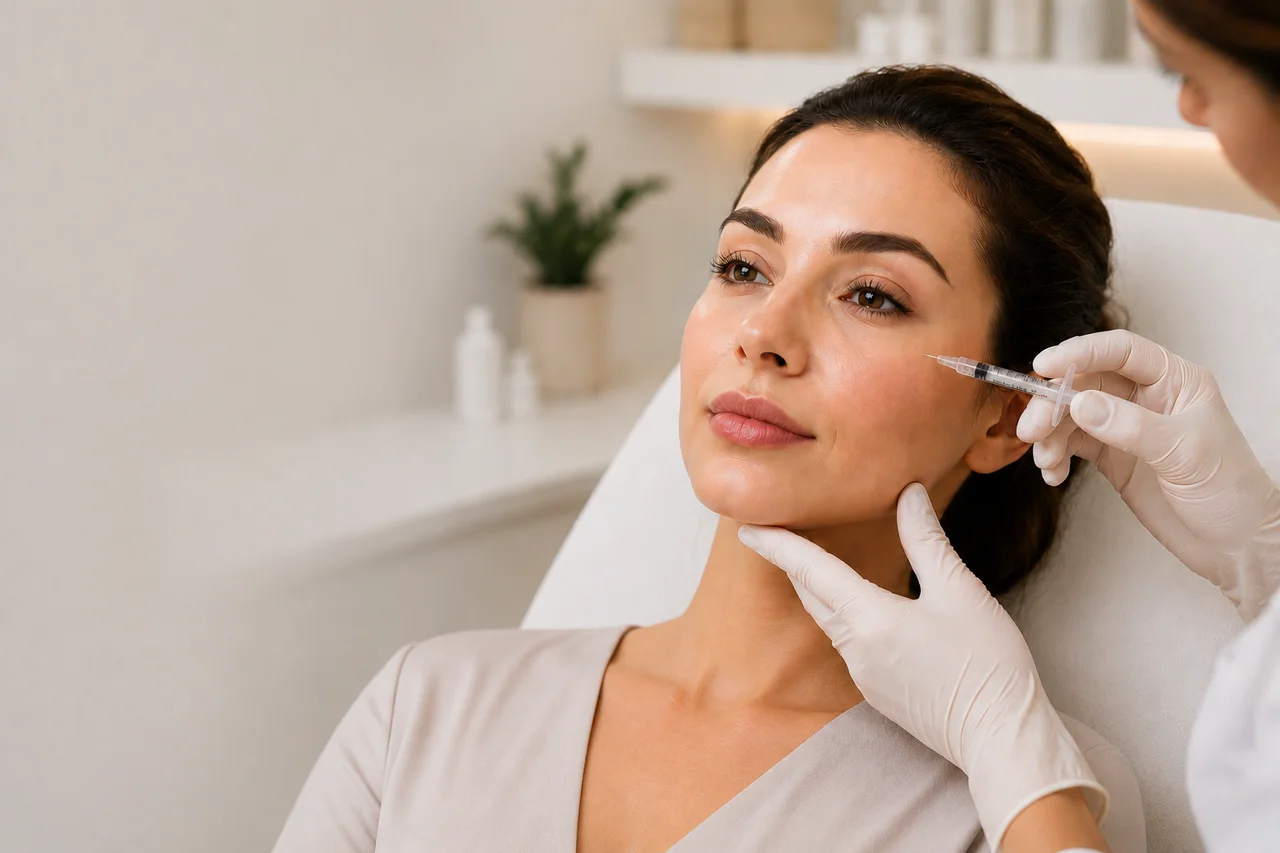
Non-surgical facial aesthetics include a wide range of procedures, each intended to address different cosmetic concerns. Someone researching facial balancing may encounter several possible approaches, but the appropriate plan depends on individual anatomy, goals, health history and professional assessment rather than a standard formula.
Aesthetic decisions should therefore begin with a consultation rather than a predetermined list of treatments. Understanding what you want to change, what can realistically be achieved and what risks may be involved creates a better foundation for making an informed choice.
Define the Concern Before the Treatment
People sometimes arrive at a consultation asking for a specific procedure because they have seen it performed on someone else. A more useful starting point is to explain what feature or change you are concerned about.
This gives the provider an opportunity to assess the area and discuss possible approaches. In some cases, the treatment you initially researched may not be appropriate or necessary for your particular goals.
Share Relevant Health Information
Aesthetic procedures can involve important medical considerations. Tell the provider about relevant conditions, medications, allergies, previous procedures and other health information requested during the consultation.
Do not leave out previous treatments because they occurred several months ago or at another clinic. A complete history gives the professional more information when assessing suitability and planning treatment.
Understand Injectable Procedures
Injectable aesthetic services should be approached as clinical procedures rather than casual beauty purchases. Product choice, placement and amount require professional assessment and can vary between individuals.
Anyone considering dermal fillers should ask about the product being proposed, intended purpose, potential risks, expected duration and available alternatives. It is also important to understand what complications require prompt professional or medical attention.
Ask About Qualifications and Experience
Before undergoing an aesthetic procedure, understand who will perform it and whether they are appropriately qualified for that service. You can also ask about their experience with the specific type of treatment being discussed.
A consultation should give you enough time to ask these questions. Clear explanations are particularly important when a procedure involves prescription products, injections or technology-based treatment.
Discuss Risks as Well as Benefits
A balanced consultation should cover more than the changes you hope to see. Possible side effects, complications and reasons why a treatment might not be appropriate should also be explained.
Ask what is commonly expected after the procedure and what would be considered unusual. You should know how to contact the provider if you have concerns after leaving the clinic.
Be Careful With Trends
Facial aesthetic trends can spread quickly through social media. A particular look may become popular, but that does not mean the same treatment plan suits every face.
Individual facial structure varies considerably. Decisions should be based on your own features and preferences rather than trying to reproduce another person’s proportions from a photograph or video.
Understand the Recovery Period
Even procedures described as minimally invasive may involve temporary swelling, redness, tenderness or other effects. The exact experience depends on the treatment and individual response.
Ask what to expect before choosing an appointment date. Scheduling immediately before a wedding, holiday, professional event, or other important commitment may not be appropriate depending on the procedure.
Avoid Rushing Into Additional Treatment
Once an aesthetic plan begins, it can be tempting to make further changes quickly. Allowing enough time to evaluate the outcome can support more measured decision-making.
Follow the provider’s advice about reviews and timing. If you remain uncertain about additional procedures, there is no need to make another decision immediately.
Conclusion
Non-surgical facial aesthetics should be approached with clear goals, realistic expectations and an understanding of the clinical considerations involved. A detailed consultation allows anatomy, health history, previous procedures and personal preferences to be reviewed before a plan is created.
Taking time to understand potential risks and recovery is equally important. A measured approach keeps the focus on informed choices rather than trends, pressure or attempts to copy results that were created for someone else.