

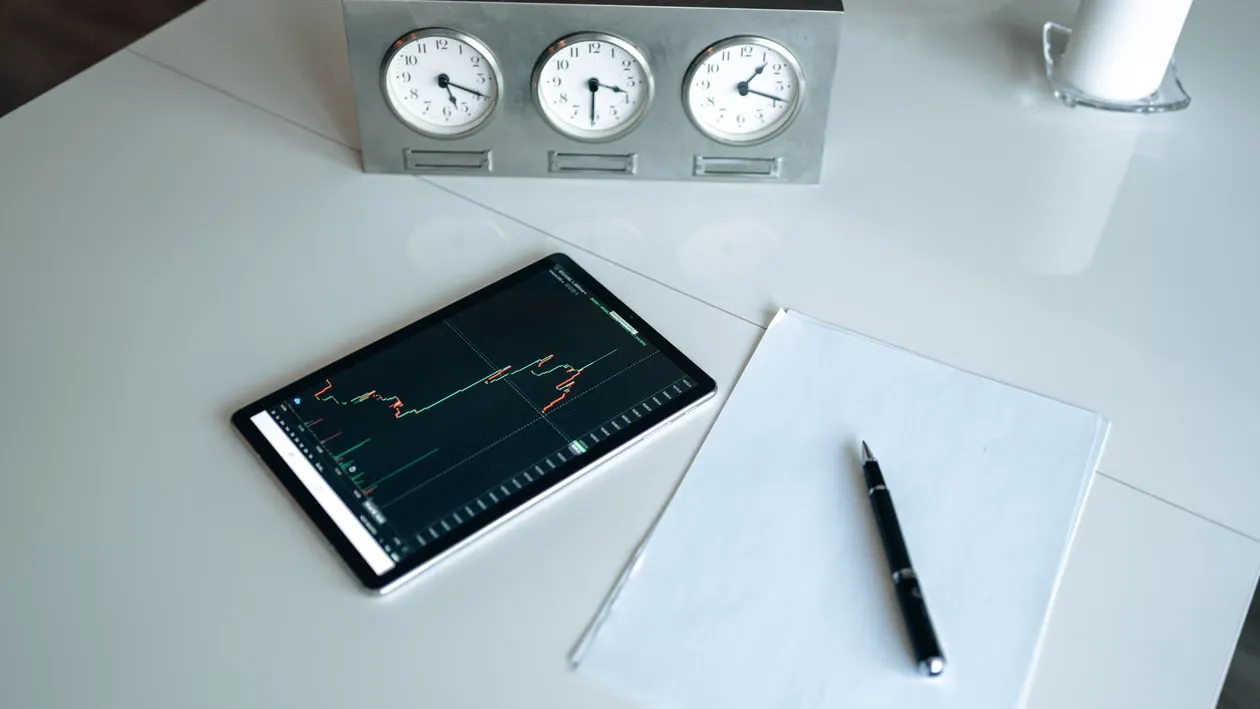
Currency trading takes place across international financial centers, allowing market activity to continue through much of the working week. However, trading conditions are not identical throughout the day. Liquidity, volatility, and participation can change as different regions become active. Someone comparing the best currency trading app options should understand how market sessions influence the experience of monitoring and trading currencies.
A convenient application cannot determine the most suitable trading hours for every individual. Personal schedules, available instruments, and preferred strategies all influence when market observation may be practical. Learning how global trading sessions connect can help beginners avoid assuming that every hour presents similar opportunities or risks.
Understand The Global Trading Cycle
The foreign exchange market operates through major financial centers across Asia, Europe, and North America. Activity generally begins with the Asia-Pacific region before moving toward European markets and eventually North America. This progression creates a continuous trading environment during the working week.
A forex trading demo account can help beginners practice observing these changing conditions without risking real funds. Recording price movements during different sessions may reveal differences in trading activity, although simulated conditions cannot perfectly reproduce live execution or financial pressure.
Explore The Characteristics Of Asian Sessions
Asian trading hours often attract attention toward currencies associated with Japan, Australia, and New Zealand. Regional economic releases, central bank announcements, and international developments may influence how these instruments behave.
However, traders should avoid assuming that Asian sessions are always quiet. Significant announcements or unexpected events can generate substantial volatility. Understanding the scheduled release of economic information is more useful than relying on general assumptions about particular trading hours.
Recognize European Market Participation Patterns
European trading hours bring activity from several important financial centers. Currency pairs involving the euro and British pound may attract increased attention as regional institutions and market participants become active.
Higher participation can sometimes support tighter spreads in frequently traded pairs, but these conditions are not guaranteed. Important economic announcements may create sudden movements, and available liquidity can change quickly. Traders should monitor actual pricing rather than assuming that an active session always provides favorable execution.
Examine the London-New York Overlap
One notable period occurs when European and North American trading hours overlap. Participants from both regions may be active simultaneously, contributing to substantial market participation in major currency pairs.
This overlap can provide useful opportunities for market observation, but greater activity does not automatically make trading easier. Rapid movements may challenge inexperienced traders, particularly when important economic data becomes available. A clear plan remains necessary before entering any position.
Account For Daylight Saving Changes
Trading schedules can become confusing when countries adjust their clocks at different times of the year. Changes in daylight saving time may shift the local timing of financial market sessions and scheduled announcements.
Traders should confirm the time zones displayed by their platforms and economic calendars. Assuming that an important event occurs at the same local time throughout the year can lead to mistakes. Checking schedules regularly helps prevent avoidable confusion during seasonal transitions.
Match Trading Hours With Daily Responsibilities
A trading routine should fit around work, family commitments, and adequate rest. Attempting to monitor every global session can create fatigue, making it harder to evaluate information carefully.
Instead, traders may select a limited observation period that suits their schedules. They can study market behavior during those hours and avoid forcing transactions when conditions appear unsuitable. Consistency in preparation is generally more valuable than remaining connected throughout the day.
Consider Costs During Quieter Periods
Trading costs may vary as market participation changes. During less active periods, bid-ask spreads can widen, potentially increasing the expense of entering or exiting positions.
Traders should examine current instrument specifications and understand how costs affect their intended approach. Strategies that depend on small price movements may be particularly sensitive to wider spreads. Estimating possible expenses before placing orders can support more realistic decisions.
Build A Session Observation Journal
Recording market behavior at different times provides a practical way to improve understanding. Traders can note significant announcements, price ranges, spread changes, and unusual movements during their chosen observation periods.
These records should be reviewed over several weeks rather than treated as conclusions after a single session. Market conditions evolve, and historical patterns may not continue. A journal is most useful when it encourages objective learning instead of creating unrealistic confidence.
Conclusion
Understanding global trading sessions helps traders recognize why currency market conditions change throughout the day. Time zones, economic announcements, liquidity, and personal availability all influence trading decisions. Resources accessible through tradewill.com may support market observation and education about available instruments. However, no trading session guarantees favorable results, and leveraged positions can generate significant losses. A structured schedule, sensible risk limits, and realistic expectations remain essential when participating in international currency markets.